




Net Positive Suction Head (NPSH) - Suction head becomes extremely important especially when handling either fluids at higher temperature or fluids with low vapour pressure. Due care must be taken to meet NPSH requirements to avoid cavitation.
NPSH (A) :- NPSH- Available is a function of site conditions. These essentially include Total suction head, Vapour Pressure of the liquid handled and altitude of the loaction.
NPSH(A) = (Total suctn head ) – (Vapour Pressure)
= (Atmos. head + Suctn head ) – (Vapour Pressure)
Here, all parameters are in mts-absolute.
In short, NPSH(A) is minimum net positive suction head required above the vapour pressure of the pumpage.(the word net is for consideration of the total frictional losses in the suction pipe line. When the suction side liquid level is above the pump datum the condition is termed as +ve Suction whereas when the suction side liquid level is below the pump datum is termed as -ve suction.)
NPSH(R) :- NPSH-Required is a function of pump design. The value essentially changes with plunger diameter and speed.
For trouble free operation of the pump,
>> NPSH(A) must be greater than NPSH(R)
Ceramic Plunger :- Metal pistons / plungers get axial scratches as the extremely small metallic particles, even after filtration, get inside the stuffing box and impregnate on the inner lips of the rubber glands. Stainless steel grades like 304, 316 (3-series) have a virgin hardness of not more than 10-12 RC and cannot be hardened on account of its low carbon content. Stainless steel grades like 401 (4-series) can be hardened to avoid surface scratching but are susceptible to rusting which destroys the surface film. Hard metal coating on the piston / plunger surface flake out due to high operating pressures even after a small surfacial dent.
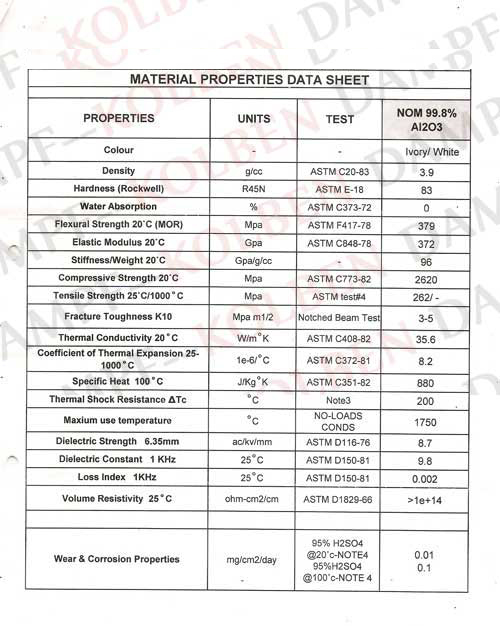
To take care of all above listed issues, internationally Ceramic material is used for making the plungers. Chemically the material is 95-99.8% Al2O3. This offers excellent surface hardness to a level of almost 83 RC. Such high hardness takes care of most of the scratching issues and maintains high grade surface quality. Higher hardness also helps in getting better surface finish thereby reducing the friction between the plunger and the gland lips. This grade of ceramic is inert to almost all the pH values ranging from 2-13. Thus, almost all types of clear liquids either with acidic or alkaline properties can be easily handled.

Electric Motors :- Induction motors form a major group of prime movers used for running the pumps (diesel / petrol / kerosene engines are sometimes used where electrical power is not available). These are available in single and three phase constructions. Motors, in general, have following specifications,
- Power in KW / HP
- Speed in terms of RPM. Speed is also expressed in form of number of poles.
2 P = 3000 RPM
4 P = 1500 RPM
6 P = 1000 RPM
8 P = 750 RPM - Degree of protection. Std. motors come with IP – 55 type of protection.
- Mountings- Motors are available in 3 standard basic mounting arrangements. Foot mounted, Face mounted and Flange mounted. Thus, a 5 Horse Power (HP) motor with a speed 1000 RPM with foot mounted arrangement and IP – 55 protection shall be termed as 5HP / 6P / IP-55 Std foot mounted type.
Filter / Strainer :- Reciprocating pumps are meant for handling clean and clear liquids. Solids in suspension can clog the wall assemblies or can sediment in the stuffing box causing pump seizure. This also results in loss of parameters like flow and pressure which can severely affect the process for which pumping is carried out. To avoid these conditions, it is extremely important to install a properly designed strainer / filter in the pump suctn line. The mesh size and the total filtration area are the most important parameters for selecting a good strainer / filter. (For futher details refer Strainer / filter under the head Accessories).
to view and download motor in general in pdf format.Click here

